
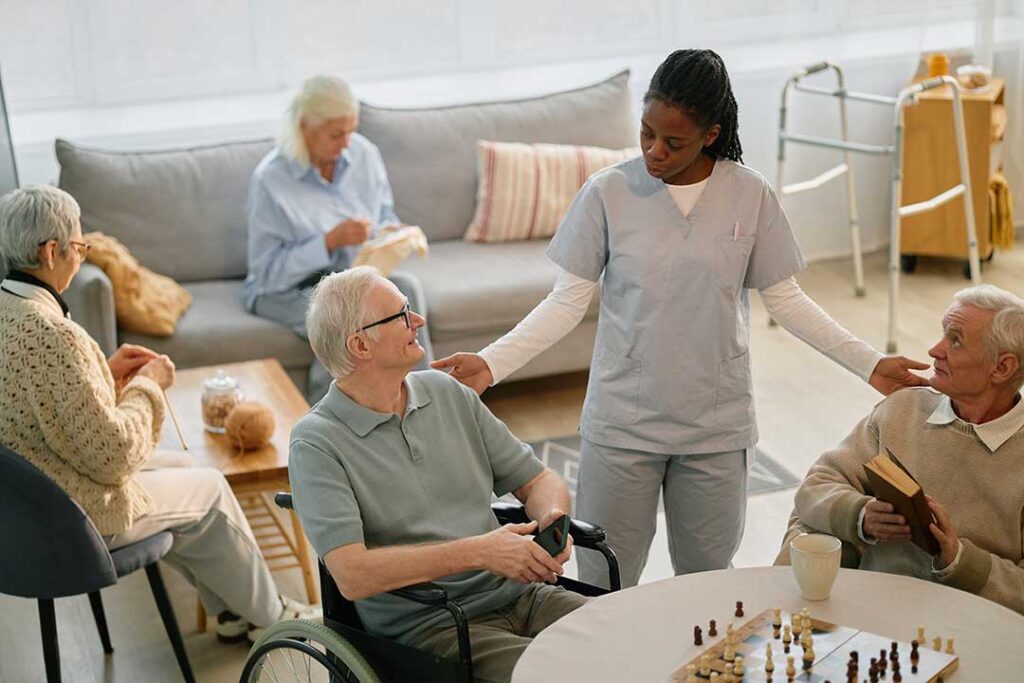
What Causes Loneliness Among Assisted Living Residents?
Feeling lonely in assisted living can happen for many reasons, often due to a mix of personal, social, and environmental factors. Residents may experience loneliness when familiar routines change, social circles decrease, or mobility becomes limited. Sometimes, health issues or memory changes can make connecting with others more difficult.
Common sources of loneliness in the city include:
- Moving away from long-time neighborhoods or family homes
- Fewer visits from friends and relatives, especially during colder months
- Difficulty participating in activities due to health or fatigue
- Barriers caused by hearing loss or trouble communicating
Understanding that these feelings are not uncommon helps residents and their families approach solutions more openly.
How Can Daily Routines Help Alleviate Loneliness?
Establishing a comfortable, predictable daily routine is a key factor in minimizing loneliness. Regular activities provide structure and create natural opportunities for positive social contact—whether chatting over breakfast, attending a group exercise session, or simply greeting neighbors in the hallway.
In assisted living, routines might include:
- Attending meals or coffee hours in shared dining areas
- Joining scheduled hobby groups or crafts
- Participating in morning walks when weather permits
More than just passing the time, routine interactions help residents feel grounded and included within their community.
What Social Opportunities Are Available in Assisted Living?
Assisted living communities typically offer a wide range of group activities tailored to a variety of interests and mobility levels. Residents often wonder what kinds of opportunities are available and how approachable these activities are for newcomers.
Common options include:
- Book clubs, game nights, and movie screenings
- Arts and crafts workshops
- Gentle exercise classes, such as chair yoga or stretching
- Gardening groups, especially during warmer months in the region
Activities are often led by staff who are trained to encourage participation, but residents can also suggest new ideas. Trying even one group event each week can open doors to new friendships and help make the assisted living environment feel more welcoming.
How Can Residents Stay Connected with Family and Friends?
Maintaining outside relationships is an essential part of combating loneliness. In-person visits play a big role, but they are not always possible—especially during winter weather or busy seasons.
Alternatives include:
- Regular phone calls or video chats
- Sending and receiving letters or photographs
- Inviting loved ones to join in on community events that are open to guests
Some assisted living communities assist residents with technology, helping set up video calls or teaching basics like texting. It can also be helpful to coordinate a consistent weekly call or visit time, creating something to look forward to.
What Role Do Staff and Neighbors Play in Reducing Loneliness?
Staff members, caregivers, and fellow residents all contribute to the social fabric of assisted living. This network provides both practical support and companionship.
Care staff often:

- Greet residents by name
- Check in with isolated individuals
- Encourage hesitant residents to join group activities
Neighbors can be a valuable source of friendship. Striking up conversation in shared spaces or being open to new acquaintances can ease feelings of isolation. In smaller assisted living settings, it's common for staff and residents to develop close, supportive connections over time, increasing the sense of belonging.
What Local Factors Make a Difference in Social Connection?
In smaller, close-knit communities like Shippensburg, local traditions and familiar faces can lessen the impact of loneliness. Seasonal changes, such as snowy winters, may make outings harder, but also bring chances for special indoor gatherings and shared meals.
Many residents have lived in the same county or area for most of their lives, which helps keep conversation rooted in shared experiences and local history. Familiarity with the local climate, customs, foods, and even regional pastimes can spark connection—whether reminiscing about local fairs or talking about nearby parks.
Are There Specific Ways to Support Residents Who Feel Socially Excluded?
Sometimes individuals feel left out, even in a busy community. Addressing this requires sensitivity and clear communication.
Approaches that may help include:
- Talking openly with staff or activity coordinators about these feelings
- Identifying smaller group activities or one-on-one interactions for a less overwhelming experience
- Reaching out to neighbors who seem welcoming or share an interest
- Volunteering for simple tasks, like helping set up a craft session, which creates natural conversation opportunities
For some, involvement in resident councils provides a chance to voice opinions and shape the community, which can also give a sense of purpose and integration.
What Are Common Misconceptions About Loneliness in Assisted Living?
It's sometimes assumed that moving to assisted living automatically eliminates loneliness, but this is rarely the case. While access to group activities and care is increased, feelings of isolation can persist if transition periods are rushed or personal interests aren’t addressed.
Equally, loneliness is not just a result of being physically alone—some residents feel isolated in the busiest of environments if their social interactions lack depth or meaning. Understanding these nuances helps both residents and families approach loneliness without stigma or unrealistic expectations.
How Can Residents Advocate for More Social Support?
Residents have a right to request more opportunities for social engagement. This can include suggesting new activities, requesting support for specific hobbies or traditions, or asking for help with transportation to local events.
Speaking up can be as simple as mentioning an idea to a staff member or joining a resident meeting. Many assisted living settings have formal ways for residents to share feedback on activity calendars or community arrangements. Persistent, respectful advocacy often leads to improvements not only for individuals but for the larger community.
