
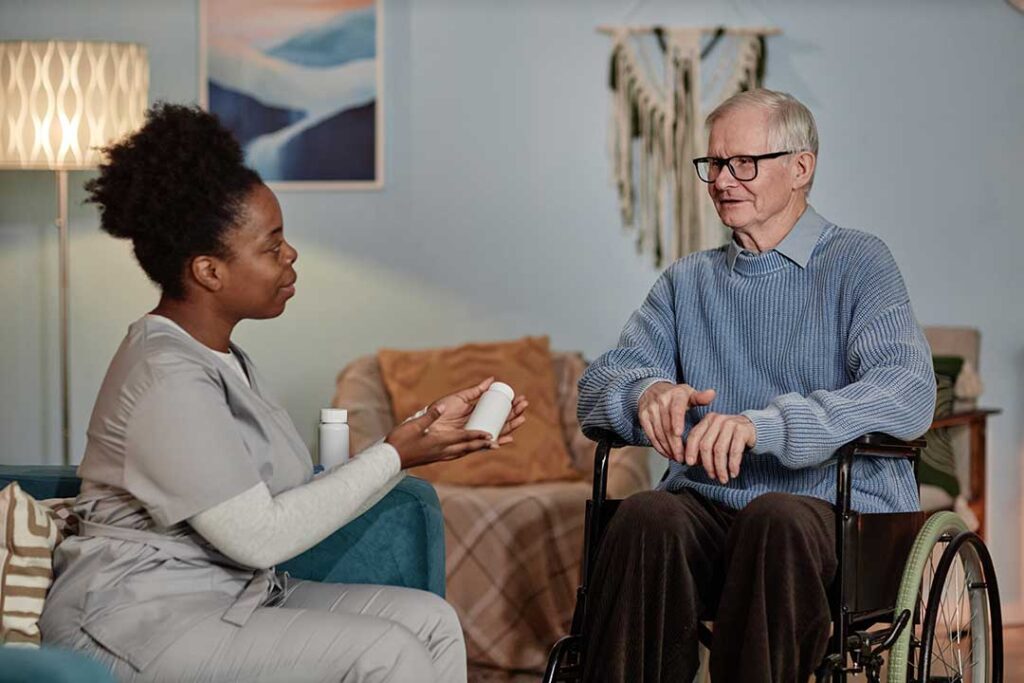
How Can Assisted Living Make Chronic Condition Management Easier?
Assisted living communities provide a structured environment where chronic conditions can be monitored and managed more consistently than in most traditional home settings. Residents living with diabetes, heart disease, COPD, arthritis, or similar long-term health issues benefit from oversight, regular routines, and coordinated care planning—all of which help prevent crises and reduce the risk of complications.
In the context of Shippensburg, PA, where many residents rely on seasonal heating and deal with fluctuating weather affecting mobility and air quality, assisted living routines help people manage environmental factors that can worsen chronic symptoms.
What Daily Support Is Available in Assisted Living for Chronic Illness?
Chronic conditions often require attention to medication, diet, hydration, and physical activity. In assisted living, trained staff can assist with:
- Timely medication reminders and administration, lowering the chance of missed or doubled doses
- Observation and documentation of symptoms that could signal a flare-up
- Help with managing dietary restrictions, including preparing meals that are low-sodium, low-sugar, or tailored to specific needs
- Encouragement and assistance with physical exercise to maintain strength and balance
- Monitoring fluid intake, which can be especially important for residents with heart or kidney issues
Residents in the city often face transportation challenges or snowy and icy sidewalks, which can make traveling for appointments difficult in the winter months. Assisted living facilities offer in-house support, reducing the need to travel for routine monitoring.
How Are Care Plans Created and Adjusted?
Residents with multiple health needs usually have an individualized care plan, developed with input from their families, primary care providers, and facility staff. This plan outlines routines for medication, scheduled health checks, nutrition, and mobility.
Adjustments are made as a resident’s condition changes, or when new information comes in from visiting healthcare professionals. Communication is key: residents and families are encouraged to share updates about symptoms or difficulties so that the plan can be modified appropriately.
In a community like Shippensburg, where seasonal allergies and respiratory issues may flare during heavy pollen or harvest seasons, care plans often include strategies for managing these specific local health concerns.
Does Assisted Living Support Ongoing Medical Appointments and Specialty Care?
Regular communication with outside healthcare providers is coordinated by staff, including arranging transportation for check-ups, specialty visits, and therapies when needed. Assisted living staff also help residents prepare for appointments, ensuring the necessary medical information is ready and that questions are gathered ahead of time.
Many families in Shippensburg experience the challenge of finding reliable transportation for medical care in nearby towns. Having staff available for scheduling and logistical support eases this burden significantly.
What Role Does Social and Emotional Support Play?
Mental health and social interaction are closely tied to managing chronic conditions. Assisted living offers structured activities and social opportunities that can help with motivation and resilience—two elements critical to sticking with long-term health regimens.
Residents often form supportive friendships, join exercise groups, and participate in communal meals and crafts. For those who struggle with the isolation that sometimes accompanies disability or reduced mobility, this environment can help reduce stress and depressive symptoms that often worsen chronic disease outcomes.

Are Family Members Involved in Care and Communication?
Many local families want to remain engaged in their loved one’s care, even after a move to assisted living. Regular updates can be provided to family members, and their input is typically welcomed during care conferences and plan reviews.
Family members may share essential information about their loved one’s historical health patterns, seasonal needs, and medication reactions specific to the region—helping staff make informed decisions. Open lines of communication between staff, residents, and families optimize long-term adjustment and outcomes for those managing complex health challenges.
Are There Common Misunderstandings About Chronic Illness Management in Assisted Living?
One misconception is that moving to assisted living means giving up independence in chronic disease management. In reality, these communities are designed to support residents’ autonomy to the greatest extent possible. Residents are encouraged to be involved in their own care decisions and daily routines.
Another common myth is that assisted living provides only basic supervision, not medical management. While assisted living is not a substitute for full nursing care, it does offer consistent health monitoring and support, especially for those with stable chronic conditions who do not need intensive skilled nursing.
What Should Residents Consider Before Choosing Assisted Living for Chronic Condition Management?
Consider the following:
- How complex is the condition? Assisted living typically supports those who are stable and need help with routines, rather than residents needing daily skilled nursing for rapidly changing or severe illnesses.
- Is there a clear care plan? Good communication between families, residents, and staff is essential for effective chronic condition oversight.
- Are local health trends and seasonal patterns understood by staff? Experience with region-specific challenges—like managing symptoms during winter illnesses or allergies—is a plus in providing targeted care.
- Are residents able to participate in their own care to some degree? Successful chronic condition management in assisted living depends on the individual’s willingness and ability to communicate needs and preferences.
Residents and families in Shippensburg seeking greater peace of mind, regular support, and reliable health routines often find that assisted living provides the environment necessary to stay engaged and as healthy as possible while managing long-term medical issues.
