
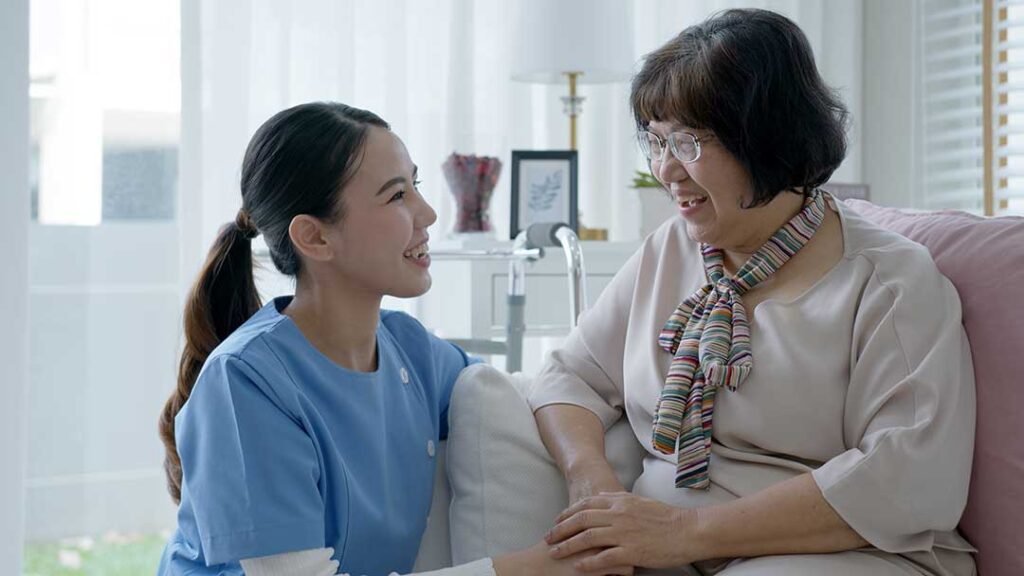
Integrative therapies can support comfort, emotional well-being, movement, and social connection in assisted living communities. They are usually used alongside regular medical care rather than replacing prescribed treatment or clinical services.
For residents and families in Shippensburg, PA, understanding these therapies can make it easier to ask informed questions about daily routines, care planning, and personal preferences.
What are integrative therapies in assisted living?
Integrative therapies are supportive practices that address more than a single medical symptom. They may consider physical comfort, mood, sleep, personal interests, relationships, and a resident’s sense of purpose.
Common examples include:
- Music, art, and reminiscence activities
- Gentle stretching, chair exercise, and balance-focused movement
- Breathing exercises, meditation, or guided relaxation
- Massage or therapeutic touch when appropriate
- Aromatherapy using carefully selected scents
- Gardening, nature activities, and time outdoors
- Pet-related visits or structured animal-assisted activities
- Spiritual, cultural, or faith-based support
- Individualized approaches to sleep, comfort, and daily routines
The word “integrative” does not automatically mean that a therapy is alternative, unregulated, or medically proven for every condition. The safety and usefulness of a practice depend on the resident’s health, medications, preferences, and the way the activity is supervised.
How can these therapies help older adults?
The potential benefits are often practical rather than dramatic. A familiar song may help a resident participate in an activity. Gentle movement may reduce stiffness after sitting. Guided breathing may help someone settle before bedtime or during a stressful moment.
Possible goals include:
- Supporting relaxation and reducing everyday stress
- Encouraging movement and flexibility
- Improving participation in social activities
- Offering non-drug approaches for comfort
- Supporting sleep routines
- Stimulating memories and conversation
- Reducing boredom or isolation
- Preserving personal identity, culture, and hobbies
Results vary from person to person. A therapy that is calming for one resident may be tiring, distracting, or unpleasant for another. Preferences should be treated as meaningful information, not as resistance or lack of cooperation.
Which therapies are commonly used in assisted living?
Music and reminiscence
Music programs may include listening, singing, rhythm activities, or discussion about meaningful songs. Familiar music can help residents express emotion and connect with memories, including residents living with cognitive impairment.
Reminiscence activities may use photographs, household objects, seasonal traditions, or conversation prompts. Staff should avoid treating memories as a test. The purpose is connection and expression, not proving whether every detail is accurate.
Movement and body-based activities
Chair exercises, stretching, walking groups, tai chi-inspired movement, and balance activities may help residents maintain strength and confidence. These activities should be adapted for mobility limitations, pain, fatigue, and fall risk.
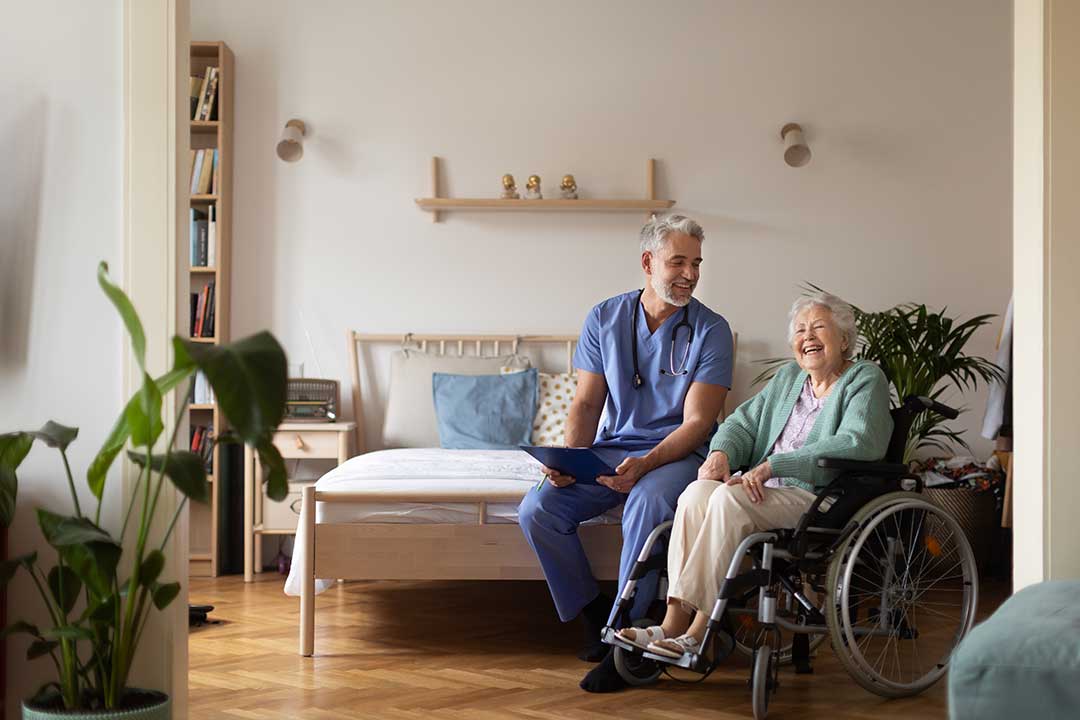
A resident who uses a walker or wheelchair may still benefit from supervised movement. The goal may be improved range of motion, better posture, easier transfers, or simply more comfortable participation in daily life.
Relaxation and mindfulness
Breathing exercises, progressive muscle relaxation, calming music, and guided imagery may help some residents manage tension. These practices should be brief and easy to follow. A quiet room, comfortable seating, and a familiar staff member can make participation easier.
Mindfulness does not require sitting still for long periods or having a particular belief system. It may be as simple as noticing breathing, listening to sounds, or focusing on the feel of warm water during hand care.
Creative and nature-based activities
Art, crafts, gardening, seasonal decorations, and time near outdoor spaces can provide sensory stimulation and a sense of accomplishment. In a community with cold winters, ice, snow, and shorter daylight may limit outdoor activities, so indoor gardening, window views, nature recordings, and plant care can offer alternatives.
These activities should be accessible to residents with arthritis, vision changes, tremors, or limited hand strength. The value comes from participation and choice, not from producing a polished result.
Are integrative therapies safe for every resident?
No. A therapy can be helpful in general but unsuitable for a particular person. Safety screening matters, especially for residents with dementia, allergies, fragile skin, breathing conditions, swallowing concerns, seizure disorders, or a history of falls.
Examples of questions to consider include:
- Could a scent trigger asthma, nausea, or a headache?
- Could massage worsen pain, bruising, swelling, or a skin condition?
- Could an exercise increase fall risk or strain a joint?
- Could an herbal product interact with prescription medication?
- Could a group activity overwhelm someone with hearing or sensory sensitivity?
- Does the resident understand and agree to participate?
Essential oils, supplements, teas, and herbal products deserve particular caution. “Natural” does not mean risk-free. These products may affect blood pressure, bleeding, alertness, blood sugar, or the way medications work. Any ingestible product or concentrated topical substance should be reviewed through the resident’s established medical and medication-safety process.
Do these therapies replace medical treatment?
They should not replace prescribed medication, urgent evaluation, rehabilitation, wound care, mental health treatment, or other necessary clinical services. Integrative practices are generally used as additions to a broader care plan.
For example, relaxation exercises may support someone who has anxiety, but they do not diagnose the cause of anxiety. Gentle movement may support mobility, but it does not replace an evaluation after a fall. Music may improve engagement, but it does not substitute for assessment of a sudden change in alertness or behavior.
A sudden decline, new confusion, chest discomfort, severe pain, breathing difficulty, or a significant change in walking ability requires appropriate medical attention rather than reliance on a comfort activity.
How should families evaluate an integrative therapy?
Families can ask how the therapy fits the resident’s individual care plan and how outcomes are observed. Useful questions include:
- What is the purpose of this activity?
- Who leads or supervises it?
- What training or safety procedures are involved?
- How is participation adapted for dementia, hearing loss, or mobility limitations?
- What happens if the resident becomes tired, upset, or uncomfortable?
- Are scents, supplements, or topical products used?
- How are preferences and refusals documented?
- Can the resident stop at any time?
A good approach respects informed choice. Participation should not be pressured, and a resident’s refusal should be communicated clearly among staff members. Families may also share information about favorite music, former hobbies, cultural traditions, work history, and activities the resident has disliked in the past.
What should residents expect from a well-designed program?
A thoughtful program is flexible, supervised, and connected to everyday care. It does not promise that one activity will cure a disease or produce the same result for everyone.
Residents should expect reasonable accommodations, such as shorter sessions, quieter spaces, seated options, rest periods, large-print materials, or assistance with communication. Staff should observe whether a therapy appears to improve comfort, engagement, mood, sleep, or function—and whether it creates unwanted effects.
The most useful measure may be small: a resident joins a group after avoiding activities, sleeps more comfortably, smiles during a familiar song, or feels more confident taking part in daily routines. These observations can help shape a care plan that reflects the person rather than focusing only on diagnosis.
