

What Types of Fitness Programs Are Common in Assisted Living Communities?
Most assisted living settings in Shippensburg, PA incorporate a range of fitness programs intended to boost mobility, strength, and well-being. These programs are designed specifically for older adults, focusing on gentle, safe, and accessible activities.
Commonly offered fitness options:
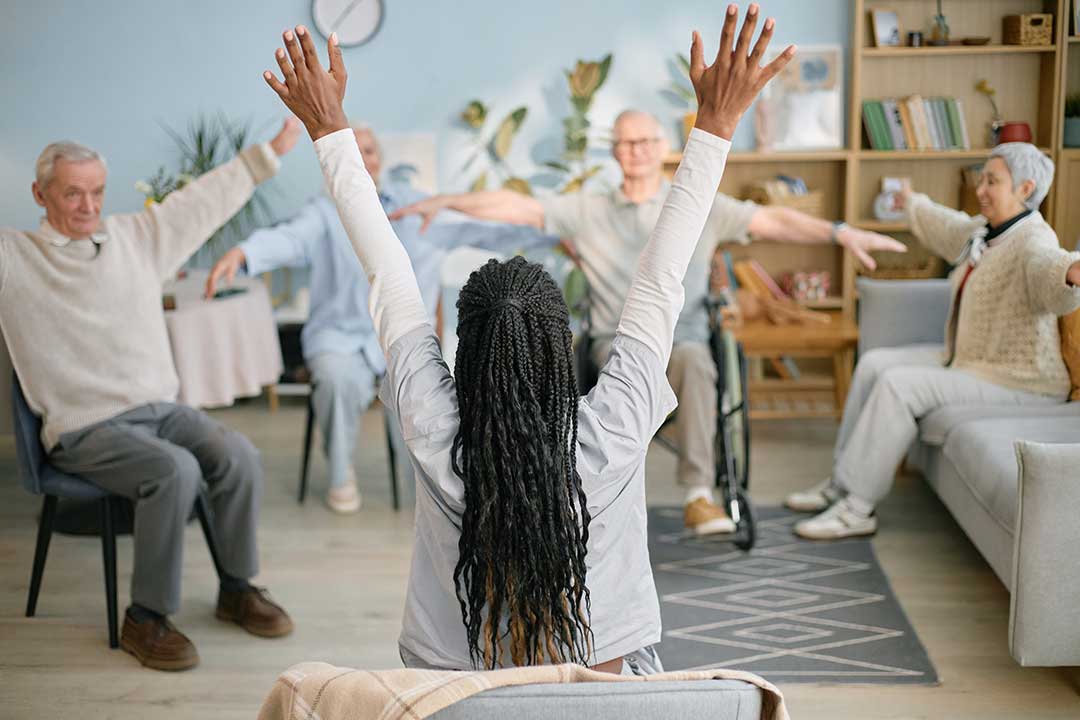
- Chair exercises, which can include stretching, strength training, and balance routines performed while seated or holding onto a chair
- Walking groups, often organized indoors during cooler months and outdoors when weather allows
- Light yoga or tai chi for flexibility and relaxation, often adapted for those with mobility limitations
- Low-impact aerobics, sometimes set to music, encouraging cardiovascular fitness at a comfortable pace
- Resistance band workouts for muscle tone and joint support
- Balance and fall prevention classes aimed at reducing fall risk, a priority in senior living environments
Programs are often guided by activity coordinators or fitness staff with experience working with older adults. Residents are encouraged to participate at their own comfort level.
Why Is Regular Physical Activity Important for Senior Well-Being?
Consistent movement offers significant benefits for residents, both physically and emotionally. Regular activity helps maintain strength, flexibility, balance, and cardiovascular health—key factors in promoting independence.
In addition to physical benefits, participating in group fitness sessions fosters social connection and can support mental health, reducing feelings of isolation that sometimes accompany later life. These programs also help maintain routines, which are linked to improved mood and cognition.
Misconceptions sometimes arise that exercise must be strenuous to be worthwhile, but gentle, regular movement—such as stretching or walking—provides measurable improvements in quality of life for many seniors.
How Are Programs Made Safe and Accessible?
Fitness programs in assisted living are tailored for safety, prioritizing the unique needs of older adults. Adaptations may include:
- Providing sturdy chairs or handrails for balance support during routines
- Modifying exercises based on individual mobility or health conditions
- Keeping class sizes small for more personalized supervision
- Avoiding high-impact or complex movements
Before beginning any new program, residents are usually assessed by staff to ensure recommendations are appropriate. Staff also monitor participants throughout activities and encourage hydration and pacing.
Area households can be confident that most routines are intended to be inclusive, with opt-in participation and alternative options for residents with more advanced physical limitations.
What Should Residents Consider Before Joining a Fitness Program?
Residents often wonder how to safely join an activity or whether advance preparation is required. Most local programs are designed for participation without previous exercise experience, but a few practical steps can help ensure comfort and confidence:
- Consult with the community’s health team or your personal medical provider, especially if you have chronic health conditions or mobility concerns
- Wear comfortable clothing and supportive, non-slip footwear
- Listen to your own body and take breaks as needed, even during group activities
- Don’t hesitate to request adaptations or modifications—staff are there to help each resident participate safely
If a resident’s health changes, letting activity leaders know will help them tailor recommendations.
Are Outdoor Activities or Seasonal Options Available?
Living in Shippensburg allows for changes in seasons, and wellness programs sometimes adjust to take advantage of nicer weather. Spring and early fall offer opportunities for outdoor walking clubs, gardening groups, or gentle stretching in shaded courtyards. However, safety remains a priority:
- Activities planned for cooler parts of the day during heat waves or summer months
- Use of paved, level surfaces for outdoor exercises or walking to reduce fall risk
- Indoor backups for days when weather does not cooperate
Seasonal variation also encourages residents to remain engaged throughout the year instead of becoming less active as the temperature drops. In colder months, communities often focus on indoor alternatives, such as group movement games or indoor aerobic sessions.
How Can Residents Get the Most from Their Fitness Routine?
Residents may get the most value from regular participation, setting reasonable goals, and viewing exercise as a source of enjoyment and connection rather than a chore. Practical tips include:
- Finding a friend or neighbor to join for added motivation
- Rotating between different types of classes to keep things interesting
- Attending wellness talks or workshops for education about health and exercise
Residents should keep in mind that results and progress look different for everyone—the intention is to maintain function and have fun, not reach athletic milestones.
What About Residents Who Have Physical Limitations or Chronic Conditions?
Adaptability is central in local assisted living programs. Residents with joint pain, arthritis, or other mobility challenges may benefit from specially adapted options:
- Seated tai chi or yoga classes
- Resistance band exercises with lighter tension
- Range-of-motion and stretching routines that skip painful movements
Those with health concerns, such as recent surgery or chronic illnesses, are typically encouraged to collaborate with their medical team. Residents can work together with staff to ensure recommended activities align with both fitness and medical goals.
What Role Does Social Connection Play in Fitness for Seniors?
One of the most overlooked aspects of exercise in assisted living is its social benefit. Group classes, walking clubs, and outdoor activities allow residents to connect, share experiences, and reduce feelings of isolation.
This sense of community contributes to motivation—many seniors are more likely to stick with a routine when it includes a social element. Whether laughing at a missed dance step or celebrating small improvements with neighbors, positive social interactions often become as important as the exercise itself.
