
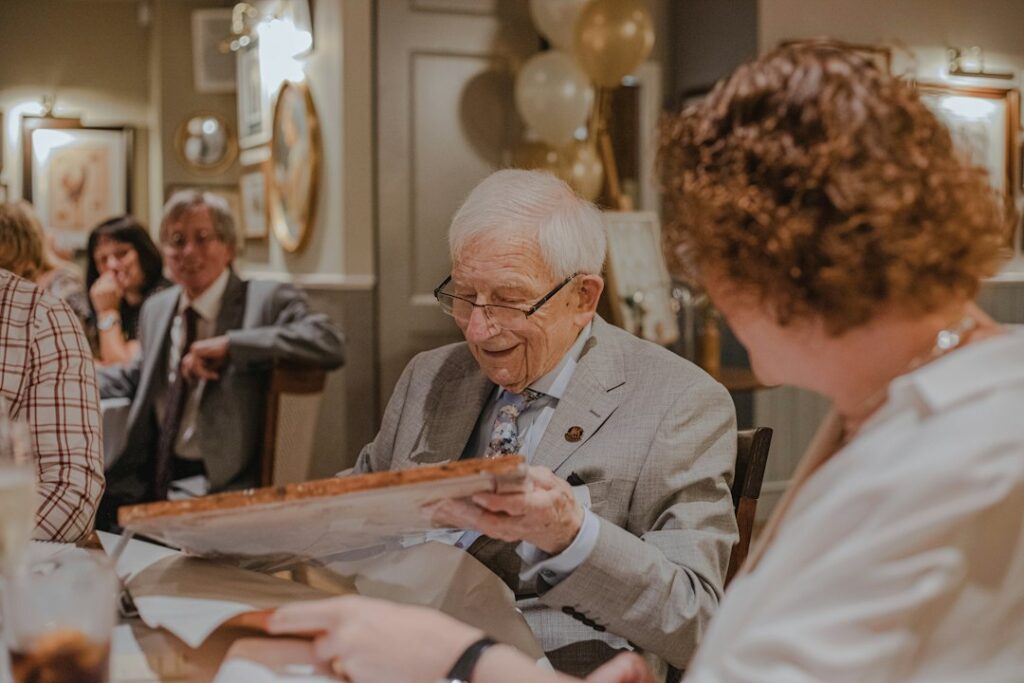
What role do volunteers play in assisted living?
Volunteers add social, recreational, and emotional support to assisted living communities. They may spend time with residents, help with group activities, read aloud, share music, assist with crafts, or provide friendly conversation.
Their role is usually supplemental. Volunteers do not replace licensed nurses, direct care workers, medication staff, or other employees responsible for health and safety. Instead, they help create more opportunities for connection and participation in daily community life.
For residents and families in Shippensburg, understanding the volunteer role can clarify what support is reasonable to expect and what duties must remain with trained staff.
What activities can volunteers provide?
Volunteer activities vary according to the person’s skills, the residence’s policies, and residents’ interests. Common examples include:
- Reading newspapers, books, or letters aloud
- Playing cards, board games, or simple group games
- Helping with arts, crafts, gardening, or seasonal decorations
- Playing an instrument or leading sing-alongs
- Visiting residents who receive few outside visitors
- Supporting religious, cultural, or educational programs
- Helping residents write notes, organize photographs, or use technology
- Escorting residents to approved social activities when staff have authorized the arrangement
- Assisting with community events, holiday programs, or outdoor activities
A volunteer might also help make a regular activity more personal. For example, someone who enjoys gardening could help residents plant flowers in raised containers, while a person with a background in music might lead a small listening group.
The most useful activities are usually consistent and resident-centered rather than elaborate. A dependable visitor who listens carefully may provide more value than a large event that does not match residents’ abilities or preferences.
Can volunteers help with personal care or medical tasks?
Generally, volunteers should not independently provide hands-on personal care or medical services unless the residence has specifically authorized the duties and confirmed that the volunteer meets all applicable training and qualification requirements.
Personal care may include bathing, dressing, toileting, transferring, eating assistance, or walking support. Medical responsibilities may include administering medication, changing a medical dressing, assessing symptoms, or making decisions about treatment. These duties require appropriate oversight and cannot be treated as casual favors.
In Pennsylvania, a volunteer who performs activities of daily living may be subject to requirements similar to those applied to direct care staff. The exact rules depend on the duties performed and the residence’s policies. Families should ask for a clear explanation if a volunteer appears to be providing hands-on care.
A practical rule is simple: volunteers can encourage, accompany, and socialize, but staff must remain responsible for care that requires assessment, physical assistance, clinical judgment, or confidential health information.
How do volunteers support resident well-being?
Regular social contact can help reduce loneliness and give residents more reasons to participate in community life. Volunteers may also help residents maintain interests that were meaningful before moving into assisted living.
Benefits may include:
- More conversation and companionship
- Greater participation in activities
- Opportunities to share life experiences and skills
- Support for creativity, movement, and mental stimulation
- Stronger connections between generations
- A greater sense of belonging within the residence
Volunteers can be especially helpful for residents who have limited transportation, live far from relatives, or have family members who cannot visit frequently. In a community where winter weather, shorter daylight hours, or difficult travel conditions can affect visits, scheduled volunteer programs may provide an additional source of connection.
These benefits are not automatic. Residents should be able to decline a visit or activity without pressure. Preferences, communication needs, cultural background, privacy, and energy levels should guide the interaction.
What should families ask about a volunteer program?

Families can ask the residence how volunteers are selected, trained, supervised, and matched with residents. Useful questions include:
- Are background checks or other screenings required?
- Does the volunteer receive orientation about privacy, abuse prevention, emergency procedures, and resident rights?
- Who supervises volunteer activities?
- What tasks are volunteers allowed to perform?
- Are volunteers permitted to transport residents?
- How are incidents, missed visits, or resident concerns handled?
- Can a resident request a different volunteer or stop participating?
- How does the residence protect confidential medical and personal information?
Screening requirements may differ according to the volunteer’s duties and the type of setting. A volunteer who leads a public activity may have a different role from one who visits residents privately or assists with personal care. The residence should be able to explain its policies in plain language.
Families should also ask whether volunteers are covered by the residence’s safety and emergency procedures. Volunteers need to know whom to contact if a resident falls, becomes ill, seems confused, reports mistreatment, or asks for help outside the volunteer’s role.
What are volunteers not responsible for?
Volunteers are not a substitute for adequate staffing. They should not be expected to monitor an entire building, respond to emergencies independently, handle resident funds, provide transportation without authorization, or make promises about care.
They also should not pressure residents to participate, discuss one resident’s private information with another person, accept large gifts, or become involved in financial decisions. Clear boundaries protect both residents and volunteers.
A resident who receives assisted living services may sometimes want to help with tasks in the community. That situation is not necessarily the same as serving as an outside volunteer. Household work, maintenance, food service, or other labor may involve separate rules, supervision, and compensation requirements.
How can residents participate safely?
Residents who want to volunteer can begin by discussing their interests and abilities with the activity coordinator or another designated staff member. Good options may include welcoming new residents, helping organize a book discussion, tending a small indoor garden, sharing a hobby, or assisting with a supervised group activity.
The activity should match the resident’s strength, balance, memory, vision, hearing, and comfort level. A person who enjoys helping may need reminders that volunteering is optional and that personal care tasks should remain with staff.
Residents should also be able to change their minds. A volunteer role should not interfere with meals, rest, appointments, therapy, or private time.
What makes a volunteer program effective?
An effective program is organized, supervised, and built around resident choice. It gives volunteers realistic duties, provides orientation, and maintains communication with staff. It also measures success by the quality of residents’ experiences rather than by the number of volunteer hours.
The strongest programs tend to offer dependable scheduling, respectful boundaries, and activities that reflect the interests of the people who live there. Whether the setting is busy or small, volunteers are most helpful when they bring patience, reliability, and a willingness to listen.
