
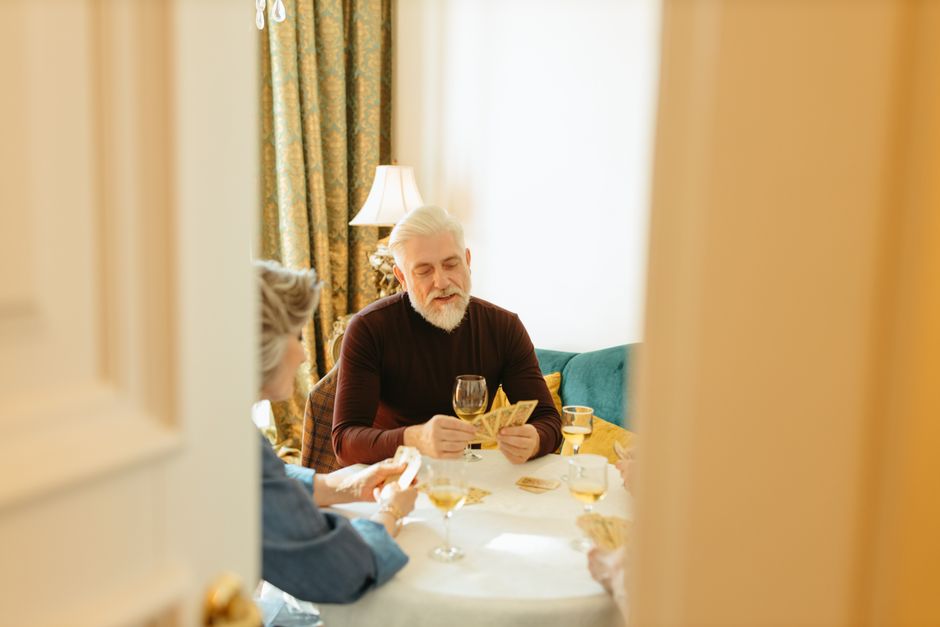
Living alone does not always mean a person is isolated, but limited contact, transportation challenges, health changes, and the loss of familiar routines can gradually reduce social connection. Assisted living can help by placing daily opportunities for conversation, shared activities, and practical support within the same residential setting.
For older adults and families in Shippensburg, PA, the goal is not simply to keep someone busy. Meaningful connection supports emotional well-being, confidence, physical activity, and a stronger sense of belonging.
What does senior isolation mean?
Senior isolation is a lack of regular, meaningful contact with other people. It can affect someone who lives alone, but it can also affect a person who lives with family if conversations, friendships, or community involvement have become limited.
Isolation may develop after:
- The death of a spouse or close friend
- Retirement or loss of familiar work relationships
- Driving restrictions or transportation problems
- Hearing, vision, or mobility changes
- A move away from longtime neighbors
- Chronic illness or recovery from a hospital stay
- Fear of falling or difficulty leaving home
- Seasonal weather that discourages travel and outdoor activity
Loneliness is related but not identical. A person can feel lonely while surrounded by others, especially if social interactions do not feel meaningful or comfortable. Assisted living is most helpful when it creates genuine opportunities for relationships rather than simply placing people in the same building.
How does assisted living create daily social contact?
Assisted living provides a residential environment where residents encounter staff and neighbors throughout the day. These brief interactions can reduce the long stretches of silence and inactivity that sometimes occur at home.
A resident may have regular contact during meals, medication reminders, housekeeping support, wellness checks, and activity transitions. Familiar staff members may notice changes in mood or behavior and encourage participation without forcing it.
Shared spaces also make casual conversation easier. A person may talk with another resident in a lounge, sit near others during a meal, or join a small group without needing to arrange transportation or make a formal plan.
For someone who has become hesitant about socializing, low-pressure contact can be a useful first step. A short conversation at breakfast may eventually lead to a friendship or regular participation in an activity.
Which activities help residents build relationships?
Activities are most effective when they reflect residents’ interests, abilities, and comfort levels. A crowded calendar does not automatically prevent isolation. Programs should include different group sizes, schedules, and energy levels.
Helpful options may include:
- Card games, puzzles, or board games
- Exercise, stretching, or walking groups
- Music, singing, or familiar storytelling
- Crafts, gardening, or seasonal decorating
- Book discussions or current-events conversations
- Cooking and baking activities
- Faith-based gatherings or quiet reflection
- Educational presentations and demonstrations
- Birthday, holiday, or family events
- Small-group coffee or conversation sessions
Some residents prefer structured activities, while others connect more easily through informal time with one or two people. A thoughtful setting provides both choices.
Residents should also be allowed to participate at their own pace. Someone who does not attend a group during the first week may still benefit from being personally welcomed, introduced to a neighbor, or invited to observe before joining.
Can assisted living help someone who is shy or reluctant to participate?
Yes, but social connection usually develops gradually. A person may resist activities because of grief, depression, hearing difficulty, memory changes, fatigue, or fear of feeling out of place.
Staff and family members can make participation easier by learning what the person enjoyed earlier in life. A former gardener may respond to a plant-care activity. Someone who worked with tools may enjoy a practical project. A longtime reader may prefer a quiet discussion rather than a large gathering.
Personal introductions can also help. Being told to “go meet people” is less effective than being introduced to one resident with a shared interest. Seating arrangements, smaller groups, and consistent routines may help a new resident feel more secure.
Isolation should not be treated as a personality flaw. A quiet resident may need an accessible, comfortable way to connect rather than pressure to become highly social.
How do meals and common areas support connection?
Regular meals can provide dependable social structure. Eating in a shared dining area gives residents a reason to leave their rooms and creates repeated opportunities to see familiar people.
Meal routines may be especially valuable for individuals who have been skipping meals or eating alone. A consistent setting can support nutrition while also encouraging conversation. Some residents prefer a larger table, while others may feel more comfortable with a smaller group.
Common areas contribute in a similar way. Comfortable seating, good lighting, clear walkways, and reduced background noise can make it easier for residents with vision or hearing limitations to participate. Accessibility is not only a safety concern; it also affects whether people can comfortably join others.
What role do families play after a move?
Assisted living does not replace family relationships. Instead, it can make visits and communication easier by reducing some of the daily responsibilities that may have limited family time.
Family members can support connection by:
- Visiting at consistent times when possible
- Asking about specific people or activities rather than only asking, “How was your day?”
- Sharing photos, letters, recipes, or familiar music
- Joining an occasional meal or activity
- Helping the resident maintain phone or video communication
- Noticing changes in mood, appetite, or participation
Visits should not be the only source of social contact. A healthy routine includes family relationships, resident friendships, staff interactions, and connections beyond the residence when practical.
Does assisted living prevent depression or loneliness?
Assisted living may reduce risk factors for isolation, but it cannot guarantee that a person will never feel lonely or depressed. Moving is a major life change, and some residents need time to grieve a former home, neighborhood, or level of independence.
Persistent sadness, hopelessness, major sleep changes, loss of interest, confusion, or withdrawal deserve attention. These signs may reflect depression, anxiety, medication effects, cognitive changes, or another health concern. Family members should share concerns with appropriate health-care personnel, especially if there are statements about self-harm, severe neglect, or immediate danger.
Social programming works best alongside attention to hearing, vision, pain, mobility, sleep, and mental health. A resident who cannot hear conversations or is uncomfortable walking to an activity may appear uninterested when the real barrier is physical.
What should families look for when evaluating a setting?
Families can ask how a residence supports social connection in everyday practice. Useful questions include:
- Are activities offered at different times and in different group sizes?
- How are new residents introduced to others?
- Can residents eat with others or choose a quieter table?
- Are activities adapted for hearing, vision, memory, or mobility needs?
- How are residents encouraged without being pressured?
- Are families included in events and communication?
- What happens if a resident stops attending activities?
- Are outdoor areas and indoor common spaces usable during winter, heat, or heavy rain?
Seasonal conditions can affect social participation in any Pennsylvania community. During cold, icy, or very hot weather, safe indoor options become especially important. Reliable transportation and accessible spaces also matter for residents who want to remain connected to family, worship, appointments, or community activities outside the residence.
The most supportive environment is not necessarily the one with the longest activity calendar. It is the one that notices individual preferences, removes practical barriers, and helps residents form relationships that feel natural and respectful.
