
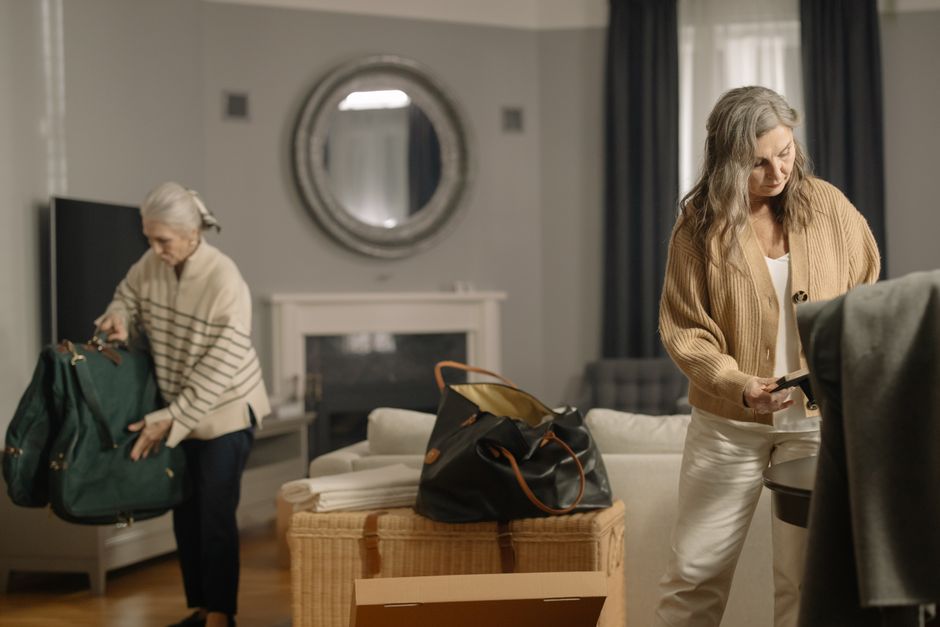
Moving to assisted living is not only a practical change in housing. It can also affect a person’s identity, independence, daily habits, relationships, and sense of home. Feeling uncertain, sad, relieved, angry, or even hopeful is common. Emotional preparation does not mean eliminating difficult feelings; it means understanding them and creating ways to adjust at a manageable pace.
Why can assisted living bring up strong emotions?
Assisted living often represents a major life transition. A person may be leaving a long-time home, giving up familiar routines, or accepting help with tasks that once felt private and personal. Even when the move is sensible and safe, it may still feel like a loss.
Common emotions include:
- Grief over leaving a home, neighborhood, garden, or familiar belongings
- Fear of losing privacy or control
- Guilt about needing help from family members
- Anger about health changes or limitations
- Anxiety about meeting new people
- Relief from household responsibilities or safety concerns
- Loneliness during the first days or weeks
- Hope about having meals, activities, and support nearby
These feelings can occur in combination. Someone may feel relieved about not managing snow, stairs, or home repairs while also grieving the loss of a familiar kitchen. Mixed emotions do not mean the decision is wrong.
How can someone begin accepting the move?
Acceptance usually develops gradually rather than all at once. A helpful first step is to separate the emotional meaning of the move from the practical reasons for it.
Write down two lists:
- What is being lost or changing
- What problems the move may help solve
The first list might include privacy, a favorite room, independence, or proximity to familiar neighbors. The second might include fewer falls, regular meals, help with medications, less housework, or more opportunities for social contact.
This exercise does not require pretending that the move is entirely positive. It creates a fuller picture and can help family members understand concerns that might otherwise appear as resistance.
It may also help to use accurate language. “I am moving because I need more support with daily life” is often less frightening than “I am giving up my independence.” Assisted living may change how independence works, but it does not automatically remove a person’s ability to make choices.
What choices should residents keep making?
Maintaining control over ordinary decisions can make the transition feel less overwhelming. Before moving, discuss which choices remain important to the resident.
Examples may include:
- When to wake up or go to bed
- Which clothing to wear
- How the room is arranged
- What personal belongings stay nearby
- Which activities feel appealing
- When to spend time alone
- How often to receive visitors
- Which family members should be included in decisions
Not every preference can always be accommodated, especially when safety or care routines are involved. Still, identifying priorities helps others provide support without taking over unnecessarily.
Family members can ask, “Would you like help deciding, or would you prefer to decide this yourself?” That simple question reinforces dignity and encourages participation.
How can a person make the new space feel familiar?
A room becomes more comfortable when it reflects the resident rather than looking temporary. Familiar objects can support memory, identity, and emotional stability.
Useful items may include:
- A favorite chair or small table
- Framed family photographs
- A familiar blanket or quilt
- A clock that is easy to read
- Books, music, or religious materials
- A calendar with upcoming visits marked
- A small collection connected to hobbies
- Familiar scents from personal-care items, if permitted
Avoid bringing too many possessions at once. A crowded room can create tripping hazards and make it difficult to find important items. Start with the belongings that provide the strongest sense of comfort, then add or remove items after the first few weeks.
For residents in Shippensburg, seasonal changes may also affect comfort and routines. Cold weather, snow, shorter daylight, and icy walking conditions can make outdoor plans less predictable. Keeping warm clothing, nonslip footwear, and a few indoor activities available can reduce frustration during winter months.
What can help with fear of loneliness?
Loneliness is a common concern, especially for someone who has lived alone or had a small social circle. Social adjustment often takes time. A resident does not need to attend every activity or become comfortable with everyone immediately.
A gradual approach may work better:
- Begin with one meal in a shared dining area
- Sit in a familiar place when possible
- Attend a short activity rather than a full event
- Visit with one person instead of a large group
- Ask a family member to join an activity during the first few attempts
- Keep regular phone or video calls on the calendar
Family visits should focus on connection rather than inspection. Asking about a favorite meal, music, television program, or recent conversation may feel more natural than repeatedly asking whether the resident has adjusted.
Some residents prefer quiet companionship. Sitting together, looking through photographs, folding laundry, or listening to music can be meaningful even without much conversation.
How should families respond to resistance?
Resistance is often communication, not stubbornness. A person may be expressing fear, confusion, grief, pain, fatigue, or a sense of being excluded from decisions.
Helpful responses include:
- Listen without immediately correcting or arguing
- Acknowledge the feeling before discussing solutions
- Ask what part of the move feels hardest
- Offer two manageable choices
- Avoid making promises that cannot be kept
- Give the person time to answer
- Watch for changes in sleep, appetite, mood, or behavior
Statements such as “You seem worried about losing your privacy” are usually more helpful than “You have nothing to worry about.” Reassurance works best when it recognizes the concern rather than dismissing it.
If distress is severe, persistent, or accompanied by hopelessness, confusion, panic, or withdrawal from nearly all activities, the situation deserves prompt attention from the person’s medical or mental-health care team. Emotional distress can sometimes reflect depression, medication effects, pain, infection, sleep problems, or cognitive changes.
What should someone expect during the first month?
The first month may feel uneven. A resident might have a good day followed by a difficult one. Small setbacks do not necessarily mean the move is failing.
Early adjustment may include:
- Missing familiar routines
- Feeling tired from new schedules and conversations
- Forgetting where items are located
- Comparing the new setting with home
- Feeling uncomfortable asking for help
- Becoming more settled after recognizing staff, neighbors, and daily patterns
A written routine can help. Include wake-up time, preferred meals, rest periods, phone calls, activities, and visits. Keep the schedule flexible, since energy and health can vary.
Rather than asking, “Do you like it yet?” try specific questions: “What part of today felt easiest?” “Was there a meal you enjoyed?” or “Is there anything in the room that is making daily life harder?”
How can a resident preserve a sense of identity?
Assisted living should remain one part of a person’s life, not the entire definition of who they are. Continuing meaningful roles can support emotional well-being.
A resident may still be a gardener, parent, veteran, musician, reader, cook, volunteer, faith community member, or lifelong learner. Hobbies may need to be adapted, but they do not have to disappear.
A small plant, a regular reading routine, handwritten notes, familiar recipes, or participation in a preferred celebration can help maintain continuity. Family members can also ask for stories and opinions rather than focusing only on health and care needs.
Preparing emotionally for assisted living means making room for both grief and possibility. The goal is not to force enthusiasm or deny what is changing. It is to preserve choice, comfort, relationships, and personal identity while building a daily routine that feels increasingly familiar.
